
International arbitration, expert work and academic research.
Dr Aliaksandr
Danilevich
arbitrator and expert
International arbitration, legal expertise and representation in resolving cross-border disputes

Approach to disputes
Amid globalisation and increasingly complex multi-jurisdictional links, classic legal approaches no longer work. Cross-border disputes, international contracts and conflicts with a foreign element demand the highest level of qualification — at the intersection of national laws, international conventions and arbitral practice.
Candidate of Legal Sciences (PhD equivalent), associate professor, international arbitrator and expert A. Danilevich offers authoritative solutions for international commercial arbitrations and foreign courts, acting in three capacities: arbitrator, independent expert and counsel.

News
News
News archive
- 2021Who's Who Legal: Arbitration 2022. Recognised again
- 2021Aliaksandr Danilevich took part as an arbitrator in the VI international student competition "Model of International Commercial Arbitration"
- 2021Recognition and enforcement of the decision of the Belarusian economic court in Slovenia
- 2020Resolution of Sports Disputes: Still Citius, Altius, Fortius? – Sports Law Webinar
- 2018–2026News archive
Biography
About

Arbitrator Aliaksandr Danilevich has 30 years of experience in the legal profession, specialising in the resolution of commercial disputes, expertise and representation of clients before international commercial arbitral tribunals. In most cases the arbitrator handles matters spanning several jurisdictions.
Aliaksandr Danilevich is both a legal practitioner and a legal scholar, which often helps find unconventional ways out of complex situations. He is the author of numerous articles and monographs on private international law, international civil procedure, international commercial and sports arbitration (the list of publications is available here). Aliaksandr Danilevich holds a Candidate of Legal Sciences degree (thesis on “The Decision of an International Arbitral Tribunal”) and taught international commercial arbitration and international civil procedure at Belarusian State University in Minsk.
Aliaksandr Danilevich maintains a regular practice as an arbitrator. He is on the panel of recommended arbitrators of the International Arbitration Court at the Belarusian Chamber of Commerce and Industry (BelCCI), the Court of Arbitration for Sport (TAS-CAS) in Lausanne (Switzerland), and the Sports Arbitration Court under the Union of Lawyers of the Republic of Belarus. Aliaksandr Danilevich may also be chosen by parties to an arbitration agreement as arbitrator at the Arbitration Institute of the Stockholm Chamber of Commerce (Sweden) and a number of other international arbitral and national tribunals. Aliaksandr Danilevich was appointed as arbitrator for the Republic of Belarus at the International Centre for Settlement of Investment Disputes.
- Degree
- —
- Title
- —
Belarusian State University, Faculty of Law (specialisation in international law) (1991–1996);
research fellowships at La Sapienza University (Rome, Italy), the International Institute for the Unification of Private Law (UNIDROIT) (Rome, Italy), the Swiss Institute of Comparative Law (Lausanne, Switzerland), the Sports Law Centre of the T.M.C. Asser Institute (The Hague, Netherlands), and the Max Planck Institute for Foreign and International Private Law in Hamburg (Germany).
- member of the Minsk City Bar Association (2013–2023);
- member of the Court of Arbitration for Sport in Lausanne (Switzerland).
- Belarusian
- Russian
- English
- Italian
- French
- German (elementary)
- Ukrainian (elementary)
Recommended by the independent international directory Who’s Who Legal in:
- litigation (Who’s Who Legal: Litigation 2016, Who’s Who Legal: Litigation 2017);
- arbitration (Who’s Who Legal: Arbitration 2017, Who’s Who Legal: Arbitration 2018);
- sports & entertainment (Who’s Who Legal: Sports & Entertainment 2016).
Holder of the Femida Prize in the “Arbitral (International Arbitration) Court” category — the highest public legal award in Belarus, established by the Belarusian Union of Lawyers (2016).
Career
International practice
Representation in commercial, investment, transport and sports disputes; experience on both sides of the arbitral table.
Academy · CIS
Associate Professor of International Private and European Law at BSU. Author and co-author of courses on arbitration and sports law.
Faculty of Law at BSU, research at La Sapienza, UNIDROIT and the Swiss Institute of Comparative Law. Doctoral defence.
No entries match the selected filters.

30YEARS IN PRACTICE
5ARBITRAL INSTITUTIONS
20CONFLICT CHECK QUESTIONS
4KEY PUBLICATIONS
Seats of arbitration
Geography of appointments
Four seats — four procedural regimes. Select a seat to see the institutions and the role.
Minsk
Recommended panel · Minsk
01BelCCIRecommended panel · Minsk
02BRSUSports Court of Arbitration · Minsk
Lausanne
Court member · Lausanne
01CAS / TASCourt member · Lausanne
Stockholm
Party appointment · Stockholm
01SCCParty appointment · Stockholm
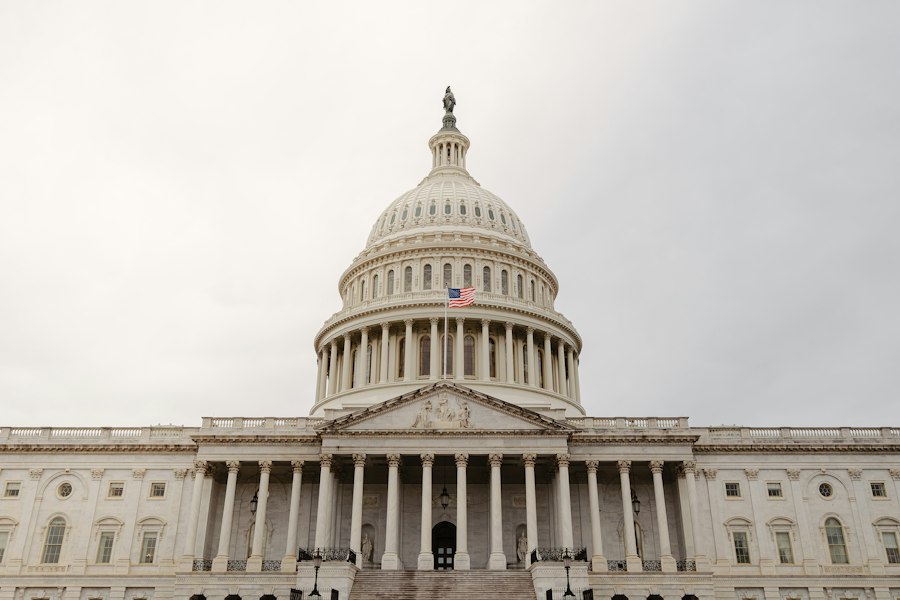
Washington
Panel of arbitrators · Washington
01ICSIDPanel of arbitrators · Washington
Institutions and appointments
Arbitration practice
Listed as a recommended arbitrator. Party and institutional appointments — in international and domestic proceedings.
 Washington
 Lausanne
 Minsk
Minsk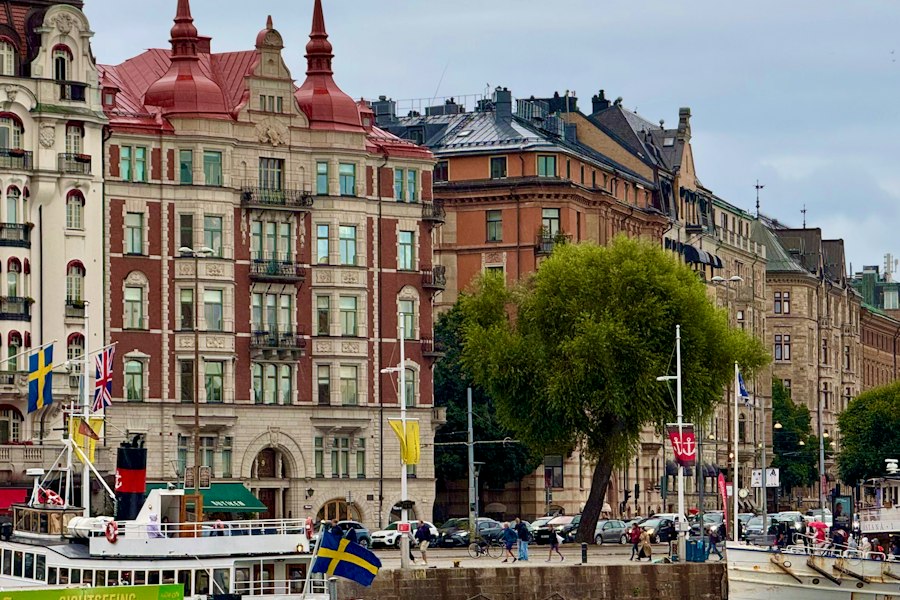
 Stockholm
Sports disputes require a deep understanding not only of general law but also of the specific international and national sports legislation (Lex Sportiva). Depending on the nature of the conflict, such cases may be heard both in the disciplinary bodies of sports federations and in specialised arbitral tribunals.
Aliaksandr Danilevich is a recognised sports law expert with extensive international and domestic experience. He is a member of the Court of Arbitration for Sport (TAS-CAS) in Lausanne (Switzerland) — the highest appellate authority in world sport — and previously sat on the Sports Arbitration Court under the Union of Lawyers of the Republic of Belarus.
In what capacity can Aliaksandr Danilevich take part in sports disputes?
Thanks to his standing and qualifications, Aliaksandr Danilevich can appear in proceedings in various roles:
- Arbitrator (judge) appointed by the parties or the court: for the independent, objective and final resolution of the dispute in CAS or other arbitrations.
- President of the arbitral tribunal: to preside over proceedings heard by a panel of arbitrators.
- Counsel: to defend the rights of athletes, coaches, clubs or federations at any stage of sports disputes.
For which cases and disputes can he be elected or appointed?
The arbitrator’s competence covers two main categories of sports disputes:
1. Commercial and contractual disputes (first-instance arbitration):
- Transfer conflicts: disputes between clubs over player transfers, training compensation and solidarity mechanisms.
- Contractual disputes: breaches or early termination of employment contracts between athletes (coaches) and clubs, salary and bonus arrears.
- Sponsorship and advertising contracts: disputes over performance of obligations between sports organisations, athletes and brands/investors.
- Broadcasting rights: conflicts over media rights to sports events.
2. Disciplinary and institutional disputes (appellate arbitration):
- Doping cases: appeals against decisions of anti-doping organisations (WADA, national agencies) on athlete disqualifications.
- Disciplinary sanctions: challenges to federation decisions on unsportsmanlike conduct, disqualifications, fines or loss of points/titles.
- Participation in competitions (eligibility): disputes over the right of an athlete or team to take part in the Olympic Games, World or European Championships or other major tournaments.
- Ethical and governance conflicts: disputes over elections to sports bodies, corruption scandals or manipulation of competition results (match-fixing).
An investment agreement, international treaty and/or applicable legislation may provide for pre-arbitration settlement of investment disputes. Proper observance of pre-arbitration settlement can eliminate the dispute altogether and resolve the investor’s problem, or ensure compliance with all requirements for filing a claim against the state before the competent forum (ICSID, arbitral tribunal, etc.).
Resolving investment disputes also involves deciding the important question of the competent or most appropriate forum for hearing the investment dispute, or assessing the arbitration clause contained in the investor’s investment contract with the state.
Aliaksandr Danilevich can serve as arbitrator at the International Centre for Settlement of Investment Disputes (ICSID), an international commercial arbitral tribunal hearing investment disputes.
The procedure for settling investment disputes under ICSID is governed by the 1965 Washington Convention on the Settlement of Investment Disputes between States and Nationals of Other States and the Arbitration Rules of the International Centre for Settlement of Investment Disputes. Counsel can prepare the claimant’s position in such a dispute and represent its interests in proceedings before the Centre.
The procedure for hearing investment disputes in commercial arbitral tribunals is no different from that for “ordinary” foreign-economic disputes. Nevertheless, the specific nature of investment relations requires the arbitrator to take a serious approach to determining the investment character of the dispute itself, so that international investment protection and promotion agreements can be applied.
Cases
Cases
The categories below are depersonalised. The confidentiality of parties and proceedings is preserved in full.

Sports law
Sole arbitrator / CAS rules / disciplinary dispute in professional sport.

Anti-doping dispute
Co-arbitrator / international level / evidence assessment and procedural safeguards.

International sale of goods
Tribunal chair / BelCCI rules / dispute arising from an equipment supply contract.

Investment disputes
Expert experience under investment treaties and ICSID / UNCITRAL procedures; details disclosed only where appropriate.

Transport and forwarding disputes
Carrier liability, delay, loss and damage to cargo, and pre-action procedure.
◌Details are disclosed only to the extent compatible with the confidentiality of proceedings and the IBA Guidelines.
Expertise
Expert opinions
Opinions on international arbitration, applicable law and procedure — for arbitral tribunals, state courts and parties.
International commercial arbitration
Note: which cross-border disputes the opinion covers — contracts, supply, recognition and enforcement; preparation and timing.
Sports law
Note: CAS/TAS, disciplinary, transfer and anti-doping matters; specifics of proof in sport.
International civil procedure
Note: jurisdiction, recognition and enforcement of foreign judgments and awards.
All six fields, the engagement procedure and request forms are in the library.
Representation
Representation in arbitration
Experience on both sides of the arbitral table — tribunal and counsel

Representation in international commercial arbitration
Resolving disputes in international arbitral institutions (ICC, LCIA, SCC, VIAC, ICAC and others) is fundamentally different from litigation in state courts. Arbitral proceedings require counsel not merely to know substantive law but to deeply understand specific rules, cross-border specifics and a unique legal culture in which the boundaries between continental and Anglo-Saxon legal systems blur.
I provide professional and independent representation of parties in international commercial arbitration, combining fundamental expertise in private international law with impeccable knowledge of arbitral procedures.
- 01Practice areas and stages of defence
- 02Professional ethics standards: the IBA Guidelines (2013)
- 03Why entrust a dispute to an expert-arbitrator?
Full-cycle representation covers every stage of an arbitral dispute:
- Pre-arbitration audit and strategy: Assessing the enforceability of the arbitration clause, analysing risks, calculating the commercial viability of proceedings and developing a step-by-step defence strategy.
- Drafting procedural documents: Preparing statements of claim (Notice of Arbitration / Statement of Claim), defences, applications for interim measures and other procedural documents in the working language of the arbitration.
- Constituting the tribunal: Expert assistance in selecting and appointing qualified, independent arbitrators and, where necessary, conducting challenge procedures (Challenge of Arbitrators).
- Oral hearings: Direct advocacy before the tribunal, cross-examination of witnesses and experts.
- Post-arbitration support: Challenging arbitral awards before competent state courts or, conversely, supporting their recognition and enforcement abroad under the 1958 New York Convention.
In international arbitration, parties and their lawyers often come from different legal cultures, which can produce clashes of conduct standards. In my practice I strictly follow global benchmarks and principles of good faith.
Client representation is conducted in strict compliance with the IBA Guidelines on Party Representation in International Arbitration (2013).
Compliance with this international standard guarantees:
- Procedural integrity: Exclusion of any form of abusive process tactics (guerrilla tactics), protecting the client from cost sanctions by the tribunal.
- Evidentiary standards: Impeccable practice in preparing witnesses (witness statements) and experts, as well as document disclosure.
- Confidentiality and absence of conflicts: Maximum protection of commercial secrets and the client’s reputation at every stage.
- A view from the tribunal’s perspective: Experience as a neutral arbitrator and drafting complex legal opinions (Expert Opinion) lets me see the case through judges’ eyes. I know which arguments persuade an international tribunal and which will be dismissed as untenable.
- Managing cross-border risks: Deep understanding of how legal systems interact makes it possible to coordinate multi-jurisdictional disputes effectively and prevent parallel proceedings in state courts.
- Effective budgeting: Optimising process costs, assessing prospects for third-party funding and minimising the risk of adverse costs orders against your client if the case is lost.
Publications
Selected publications
Showing 4 of 4
 2021ArticleLitigation and arbitration practice, No. 8Summary (PDF)
 2020Encyclopaedia chapterKluwer Law InternationalSummary (PDF)
 2011ArticleISLJ, vol. 11Summary (PDF)
 2004TextbookAcademy of Public Administration under the President of the Republic of BelarusSummary (PDF)
Appointment
Appointment as arbitrator or expert
Appointments are accepted as tribunal chair, sole arbitrator and party appointee, as well as expert and counsel. Describe the matter — the response will address availability, timing and conflicts.
Work is conducted strictly under the IBA Guidelines on Conflicts of Interest in International Arbitration (2024): full disclosure before accepting any appointment.
Read the principles and independence note and take the short conflict check — attach the result to your enquiry.
Enquiry subject
Every appointment — only after full disclosure of circumstances and a conflicts check.
Working standard
- Take the test
20 questions will help identify matters for disclosure.
- Disclose circumstances
Describe connections, cases and publications in your request.
- Receive a reply
An assessment of availability, timing and conflicts.
Disclosure · IBA
Disclosure assessment · IBA Guidelines on Conflicts of Interest — Red List / Orange List. Answer in order: “Yes” reveals a detail field.
0 / 20Red List · Orange List
Self-check
Conflict check
(Based on the Red List of the IBA Guidelines on Conflicts of Interest in International Arbitration)
You may answer the following questions concerning your dispute.
Block 1: The parties and their direct links to the arbitrator
1. Is there a direct corporate or personal link between the arbitrator and one of the parties?
What this means
What this means (IBA Red List): Is the arbitrator (or their firm) a controlling shareholder, director, senior manager or legal adviser of one of the parties (or its parent/subsidiary)?
2. Does the arbitrator have a direct or indirect financial interest in the outcome of these proceedings?
What this means
What this means (IBA Red List): Does the arbitrator hold shares, interests or other economic benefits whose value will be directly affected by the decision in this dispute?
3. Is the arbitrator bound by close family or personal ties to any participant in the proceedings?
What this means
What this means (IBA Red List): Is one of the parties, its representative, director or key witness a close relative of the arbitrator?
Block 2: Relations with legal representatives (counsel)
4. Is the arbitrator connected by partnership or employment to the law firm representing one of the parties?
What this means
What this means (IBA Red List): Is the arbitrator a partner, employee or adviser (Of Counsel) at the law firm conducting this dispute for the claimant or the respondent?
5. Has the arbitrator previously advised one of the parties on the merits of this specific dispute?
What this means
What this means (IBA Red List): Was the arbitrator engaged before the proceedings as advocate or expert, or did they give oral/written opinions on this case file for one of the parties?
Block 3: The merits and parallel proceedings
6. Has the arbitrator acted as representative (advocate) of one of the parties in another, legally related case?
What this means
What this means (IBA Red List): Did the arbitrator defend that party’s interests in courts or other arbitrations in disputes arising from the same legal relations or contracts?
7. Are there currently any other court or arbitration proceedings directly between the arbitrator and one of the parties?
What this means
What this means (IBA Red List): Are the arbitrator and a party (or its representative) in an active direct legal conflict on other grounds?
Block 4: Funding and affiliated structures
8. Are third-party funders with a direct link to the arbitrator involved in the dispute?
What this means
What this means (IBA Red List): Does the arbitrator have a material interest in, or institutional ties to, a fund or organisation paying one party’s arbitration costs?
9. Is the arbitrator or their law firm a regular (standing) adviser to one of the parties?
What this means
What this means (IBA Red List): Does the arbitrator’s firm derive significant income from standing retainer work for the party or its affiliates (even on matters unrelated to the current case)?
10. Are there any other circumstances which, in the eyes of a reasonable third person, could raise justified doubts about the arbitrator’s impartiality or independence?
What this means
What this means (IBA Red List / General Principle): Any other overlaps that may not formally fall within the Red List but require disclosure.
Attention: This circumstance falls within the Non-Waivable Red List of the IBA. Acceptance of the appointment by the arbitrator is impossible under international standards in this case.
This circumstance requires mandatory disclosure to the parties in order to obtain their written consent (waiver).
If your answers above show no signs of conflict, you may answer 10 questions based on the Orange List of the IBA Guidelines.
Unlike the Red List, Orange List circumstances do not block an appointment automatically. They do, however, create a potential conflict of interest, so the arbitrator must formally disclose them to the parties. If within 30 days the parties raise no reasoned objection, they are deemed to have consented to the appointment.
Preliminary audit: circumstances subject to disclosure
(Based on the Orange List of the IBA Guidelines on Conflicts of Interest in International Arbitration)
Below are questions concerning situations which under international standards are not an absolute bar to appointment but require mandatory disclosure to the parties to ensure full transparency.
Block 1: Previous and current appointments
1. Has one of the parties (or an affiliated company) appointed you as arbitrator in other cases in the last 3 years?
What this means
What this means (IBA Orange List): Repeat appointments by the same party may raise doubts about your neutrality in the eyes of opponents.
2. Has counsel for one of the parties appointed you as arbitrator in other cases in the last 3 years?
What this means
What this means (IBA Orange List): The situation where the same law firm regularly nominates you as arbitrator across proceedings.
3. Are you currently hearing another case as arbitrator involving one of the parties to the current dispute (or its affiliate)?
What this means
What this means (IBA Orange List): A parallel arbitration involving the same claimant, respondent or their subsidiaries.
4. Do you and counsel for one of the parties currently sit together on the tribunal in another (unrelated) case?
What this means
What this means (IBA Orange List): Joint membership of one arbitral tribunal (e.g. you are co-arbitrator while opponents’ counsel chairs another case).
Block 2: Professional and academic relationships
5. Have you acted as an expert (Expert Witness) at the request of one of the parties or its counsel in the last 3 years?
What this means
What this means (IBA Orange List): Preparing an Expert Opinion or testifying as an expert instructed by the person who now seeks to appoint you as arbitrator.
6. Have you previously published a specific legal opinion on the merits of this particular dispute?
What this means
What this means (IBA Orange List): Where in an article, monograph or conference you examined this very case (or the narrow unique conflicts issue of this case) in detail, expressing a clear legal position.
7. Are you in a close professional relationship with counsel for one of the parties outside arbitral practice?
What this means
What this means (IBA Orange List): For example, working together at a university department, jointly managing a professional association or jointly owning a commercial venture.
Block 3: Relationships through the arbitrator’s law firm
8. Does your law firm (or advocates’ bureau) advise one of the parties on matters unrelated to this arbitration?
What this means
What this means (IBA Orange List): Where you are not personally involved, but your firm’s partners advise the party (or its branch) on current tax, transactions or other matters without your participation.
9. Does your law firm act for a client who is a direct competitor of one of the parties?
What this means
What this means (IBA Orange List): A commercial or industry conflict potentially affecting the perception of your impartiality.
Block 4: Other personal contacts
10. Do personal friendly ties connect you with any of the advocates or key witnesses in the case?
What this means
What this means (IBA Orange List): Regular personal contact outside the professional setting, shared holidays or other social ties going beyond ordinary collegial courtesy.
The identified circumstance falls within the Orange List of the IBA Guidelines. It does not prevent your appointment but is subject to mandatory disclosure to all participants in the arbitral proceedings before they begin.
Get in touch
Contact
Scan the contact code with your phone